


Know It All
Monthly
If you want to know it all, this podcast is for you! Learn something new in FIVE minutes from the smarties at CCBC! Everything from the French New Wave, Marketing, Philosophy, Theoretical Physics, News Literacy and more!
Produced by CCBC's New Media Collective and ForReal Media, cover art by Emerald Lodgen, "Soul Groove" by Josh Woodward. Free download: https://www.joshwoodward.com/ Hosted by: Students at the Community College of Baltimore County


Latest Episodes
-
 In this episode of Know-It-All, CCBC student Gabe Corpuz explores why the 1970s became one of the most influential decades in American film history. During this era, often called New Hollywood, filmmakers gained unprecedented creative control as studios struggled financially and audiences demanded more complex storytelling.
 -
 In this episode of Know-It-All, CCBC student Ka’Ryn Boyd explores “Blockbuster Syndrome,” the film industry’s growing reliance on sequels, franchises, and familiar story formulas. While blockbuster films like Marvel and Fast & Furious dominate the box office, Boyd explains how this repetition traces back to the success of 1970s hits like Jaws and Star Wars, which reshaped Hollywood’s business model.
 -
 CCBC student Mo Frand unpacks the invisible power of mass communication in shaping public opinion, belief systems and even daily behavior.
 -
 CCBC student Emmanuela Badjoko explores the surprising history of social media and how it evolved from niche profile-based websites in the 1990s into the powerful media ecosystems we live in today.
 -
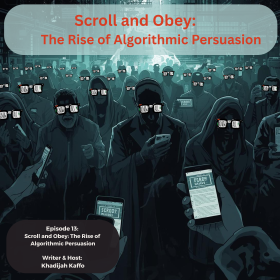 CCBC student Khadijah Kaffo investigates how modern advertising evolved from traditional propaganda to algorithm-driven persuasion systems that shape our consumption, emotions and beliefs — without us even noticing.
 -
 In this episode of Know-It-All, CCBC student Yasmin Movahedi explores how the horror genre has evolved in its portrayal of women. From early depictions of helpless damsels to the emergence of the “final girl,” and the complex, empowered female characters in today’s psychological horror, Yasmin examines what these shifts reveal about culture and gender. Through examples from films like Carrie, The Babadook, and Midsommar, this episode unpacks how horror has both reflected and challenged societal ideas about femininity, trauma, and strength.
 -
 CCBC student Kate Slone explores how lighting can completely transform the emotion of a film scene. From low, shadowy lighting that builds tension to bright, high-key setups that radiate joy, lighting choices are one of the most powerful storytelling tools in cinematography.
 -
 CCBC engineering major Gary Hubble takes listeners on a journey through the world’s most influential film festivals — including Cannes, Sundance, and the Toronto International Film Festival.
 -
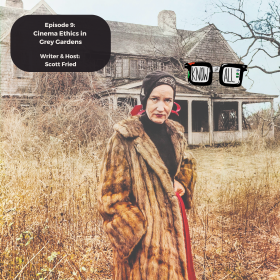 Host Scott dives into the ethics of documentary filmmaking — focusing on Grey Gardens (1975) by the Maysles brothers.
 -
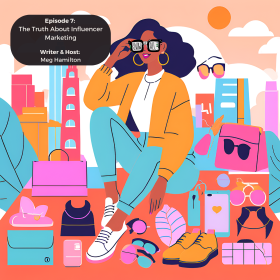 Host Meg Hamilton breaks down the booming world of influencer marketing. Learn what it really means to be an influencer, the key differences between micro-, macro-, and mega-influencers, and why brands are investing big in social media personalities.


-
New Hollywood: Why the 1970s Changed Movies ForeverDirectors like Francis Ford Coppola, Martin Scorsese, and Stanley Kubrick began creating films that reflected the uncertainty of the era—shaped by events like the Vietnam War and Watergate. Movies such as Taxi Driver and The Godfather introduced morally complicated characters and stories that challenged audiences rather than offering simple answers.At the same time, the decade gave rise to the modern blockbuster with films like Jaws and Star Wars, which transformed moviegoing into a major cultural event and helped establish the summer blockbuster season. From psychological horror like The Exorcist to experimental science fiction like Close Encounters of the Third Kind, the 1970s pushed Hollywood to experiment with new styles and genres.Even today, filmmakers regularly look back to this era for inspiration, making the 1970s one of the most important turning points in the history of American cinema.About the Host:Gabe Corpuz is a student at the Community College of Baltimore County with a strong interest in film, storytelling, and media culture. Gabe enjoys exploring how movies reflect social change and how directors shape the way audiences experience stories on screen. This episode reflects a growing passion for film history and creative media production.Sources Featured in This Episode:American Cinema in the 1970s. Film History II, Utah Valley University.https://uen.pressbooks.pub/thea2312moody/chapter/american-cinema-in-the-1970s/Hellerman, Jason. “Why Is 70s Cinema Considered the Hollywood Heyday?” No Film School, 2023.https://nofilmschool.com/70s-cinemaNew Hollywood: American 70s. Film Streams.https://filmstreams.org/series/new-hollywood-american-70sAmerican Cinema of the 70s. Directed by Mark Cousins.https://www.imdb.com/title/tt2098489Dartmouth College Library. “1970s Film History.”https://researchguides.dartmouth.edu/filmstudies/1970shistoryMusic Credit:Intro and outro music: “Soul Groove” by Josh Woodward. Licensed under a Creative Commons Attribution 4.0 License. www.joshwoodward.com
-
Blockbuster Syndrome: Why Hollywood Keeps Repeating ItselfDrawing on film scholarship, the episode examines how risk-averse studio strategies can sideline originality, limit opportunities for new voices, and shape the kinds of stories audiences see. Boyd ultimately asks whether today’s moviegoers are choosing what they want to watch — or what studios assume will sell.About the Host: Ka’Ryn Boyd is a Communications major at the Community College of Baltimore County exploring career paths within the field, with growing interests in fashion and media creativity. This episode reflects her love of franchise films alongside her curiosity about how Hollywood’s business decisions influence storytelling and audience experience.Sources Featured in This Episode:Cornea, Christine. Science Fiction Cinema: Between Fantasy and Reality. Cambridge University Press. https://www.cambridge.org/core/books/science-fiction-cinema🎵 Music Credit:Intro and outro music: “Soul Groove” by Josh Woodward.Licensed under Creative Commons Attribution 4.0.https://www.joshwoodward.com
-
Framed and Filtered: The Media's Hidden InfluenceAbout the Host:Mo Frand is a student at the Community College of Baltimore County planning to transfer into an engineering program. This episode was produced as part of coursework in Mass Communication. Mo is passionate about understanding how media affects public thought and aims to be part of a future where facts matter more than spin.Sources Featured in This Episode:Happer, Catherine, and Greg Philo. “The Role of the Media in the Construction of Public Belief and Social Change.” Journal of Social and Political Psychology, 2013.https://jspp.psychopen.eu/index.php/jspp/article/view/4761/4761Willer, Robb. “Violence by Protesters Can Lead the Public to Support Them Less, Stanford Sociologist Says.” Stanford Sociology, 2018.https://sociology.stanford.edu/news/violence-protesters-can-lead-public-support-them-less-stanford-sociologist-saysRogers, Adam. “The Science of Why No One Agrees on the Color of This Dress.” Wired, 2015.https://www.wired.com/2015/02/science-one-agrees-color-dress/Music Credit:Intro and outro music: “Soul Groove” by Josh Woodward. Licensed under a Creative Commons Attribution 4.0 License. www.joshwoodward.com
-
The Social Shift: How Online Platforms Changed EverythingAbout the Host:Emmanuela Badjoko is a student at the Community College of Baltimore County majoring in Mass Communication. She is passionate about media history, digital culture, and the role of platforms in shaping public opinion. This episode reflects her curiosity about how technological shifts influence the way we consume and understand information.Sources Featured in This Episode:Lule, J. (2023). Understanding Media and Culture in the 2020s: An Introduction to Mass Communication (3rd ed.). FlatWorld.Music Credit:Intro and outro music: “Soul Groove” by Josh Woodward. Licensed under a Creative Commons Attribution 4.0 License. www.joshwoodward.com
-
Scroll and Obey: The Rise of Algorithmic PersuasionAbout the Host:Khadijah Kaffo is a General Studies major at the Community College of Baltimore County and plans to transfer into a Public Health program. With a growing interest in social health and media literacy, she uses this episode to explore how manipulative advertising and unregulated messaging impact public health and personal decision-making. Sources Featured in This Episode:Friedman, U. (2015, February 13). “How an Ad Campaign Invented the Diamond Engagement Ring.” The Atlantic.https://www.theatlantic.com/international/archive/2015/02/how-an-ad-campaign-invented-the-diamond-engagement-ring/385376/Lule, J. (2023). Understanding Media and Culture in the 2020s: An Introduction to Mass Communication (3rd ed.). FlatWorld.Music Credit:Intro and outro music: “Soul Groove” by Josh Woodward. Licensed under a Creative Commons Attribution 4.0 License. www.joshwoodward.com
-
Fear Her: The Rise of Women in HorrorAbout the Host:Yasmin Movahedi is a student at the Community College of Baltimore County majoring in Media Studies. Her interests lie in storytelling, feminism, and how media both shapes and reflects our understanding of gender. This episode is part of her ongoing exploration of genre, identity, and film.Sources Featured in This Episode:Clover, Carol J. Men, Women, and Chainsaws: Gender in the Modern Horror FilmFilms cited include: King Kong (1933), Psycho (1960), Halloween (1978), Carrie (1976), Texas Chainsaw Massacre (1974), Jennifer’s Body (2009), The Babadook (2014), Hereditary (2018), Midsommar (2019)
-
Lighting the Mood: How Cinematography Shapes EmotionKate discusses lighting theory, emotional tone, and insights from award-winning lighting designer Jules Fisher, showing how a small shift in color or contrast can dramatically change how we feel when we watch a movie.About the Host:Kate Slone is majoring in Unmanned Aircraft Systems at the Community College of Baltimore County and plans to pursue a degree in Digital Media. Her goal is to combine aerial photography and cinematography to create dynamic visual storytelling. This episode reflects her fascination with how visual techniques like lighting affect emotion and viewer experience.Sources Featured in This Episode:BroadwayWorld. “Jules Fisher Biography.” https://www.broadwayworld.com
-
Film Festivals!Gary explores how these festivals differ, the kinds of films that premiere at each, and why they play such an important role in the film industry and global culture.About the Host:Gary is an engineering major at the Community College of Baltimore County. His goal is to become a mechanical engineer developing greener energy solutions for a sustainable future. A love of travel and global culture inspired his exploration of international film festivals for this episode.Sources Featured in This Episode:Knispel, Diane. “A Brief History of the Sundance Film Festival.” Park City Museum, 17 Jan. 2024. https://parkcityhistory.org/a-brief-history-of-the-sundance-film-festival/.“The History of the Festival.” Festival de Cannes. https://www.festival-cannes.com/en/the-festival/the-history-of-the-festival/
-
Cinema Ethics in Grey GardensThrough critical analysis, Aiden explores how money, fame, and style choices can distort truth and harm documentary subjects, raising questions about filmmakers’ responsibilities when telling real people’s stories.About the Host:Scott is a General Studies major at the Community College of Baltimore County with aspirations in zoology and conservation. Scott applies film analysis skills from Movies: History & Art (MCOM 150) to examine ethics in media — one of the class discussions that left a lasting impression.Sources Featured in This Episode:Swan, N. (2020, May 12). Money changes everything—or does it? Considering whether documentaries should pay to play. International Documentary Association. https://www.documentary.org/feature/money-changes-everything-or-does-it-considering-whether-documentaries-should-pay-play
-
Know It All - The Truth About Influencer MarketingDid you know the influencer industry is worth a staggering $250 billion? In this episode of Know-It-All, host Meg Hamilton breaks down the booming world of influencer marketing. Learn what it really means to be an influencer, the key differences between micro-, macro-, and mega-influencers, and why brands are investing big in social media personalities. Plus, we uncover how much influencers are actually making—from thousands per post to surprising monthly earnings. Whether you're an aspiring influencer or just curious about the hype, this quick episode gives you the inside scoop.About the Host:Meg Hamilton is a Community College of Baltimore County (CCBC) freshman majoring in Communications. Passionate about creativity and media, Meg aspires to build a career where storytelling, content creation, and marketing intersect. This episode was produced as part of a project for her Digital and Social Media Marketing class, taught by Professor Beth Baunoch. Meg chose to explore the world of influencer marketing because of its rapidly growing impact and the fascinating dynamics behind how influencers operate and earn.Sources Featured in This Episode:Essentials of Social Media Marketing by Michelle Charello (Stukent Publishing, 2020)“How Much Do Influencers Make?” by Emma Kumer and Rachel Lerman, The Washington Post (Dec. 22, 2023) Read the full articleEdifyApp: Essentials of Social Media Marketing
-
Know It All - Raised by Screens: How Media Shapes Our RealityWhen an Iranian cleric suggested the U.S. had no real heroes outside of Spiderman and SpongeBob, it raised a provocative question: what happens when a nation’s identity is built on fictional media? In this episode, Ross Briese dives into cultivation theory—a concept that explores how the media we consume subtly (and not so subtly) shapes how we see the world. From TikTok to prestige TV, we unpack how characters, platforms, and advertisers blend into a “synthetic reality” that blurs the line between truth and fiction. Whether you're watching reality TV or doom-scrolling on your phone, this 5-minute-deep dive will change the way you think about media—because it might already be changing the way you think.Listen now to learn how George Gerbner’s theory still applies in the TikTok era.About the Host:Ross Briese is a Communications and Media Studies major at the Community College of Baltimore County with aspirations of becoming an investigative journalist. This episode of Know-It-All was created as part of the MCOM 111: Introduction to Mass Media course, taught by Professor Beth Baunoch. Ross explores cultivation theory to examine how the media we consume not only reflects life but also transforms it. He was particularly inspired by Raziye Nevzat’s article, Reviving Cultivation Theory for Social Media (2018), which reimagines George Gerbner’s theory in the context of today’s internet-driven culture. ReferencesBansinath, B. (2024 March 25). What We Know About the Mommy Vlogger Accused of Child Abuse. The Cut. https://www.thecut.com/article/ruby-franke-utah-mommy-vlogger-pleads-guilty-to-child-abuse.htmlContreras, R. (2023 May 1). Nearly 75% of Chinese Americans Reported Discrimination in Past Year. Axios. https://www.axios.com/2023/05/01/chinese-americans-report-racial-discrimination-asian-hate#Gerbner, G. (1987). Television’s Populist Brew: The Three Bs. Institute of General Semantics, 44(1). https://web.asc.upenn.edu/gerbner/Asset.aspx?assetID=1636Givebutter. (2024 January). #HoistTheAds. https://givebutter.com/c/hoisttheadsMarat, E. (2020 January 6). Iran Cleric: We Have No Good Revenge Targets, Only US Heroes Are SpongeBob and Spider-Man. The Mind Unleashed. https://themindunleashed.com/2020/01/iran-cleric-we-have-no-good-revenge-targets-only-us-heroes-are-spongebob-and-spider-man.htmlMorgan, M. (1995). The Critical Contribution of George Gerbner, in John Lent (Ed.), A Different Road Taken (1st ed., pp. 99-117). Westview Press. https://web.asc.upenn.edu/gerbner/Asset.aspx?assetID=2765Nevzat, R. (2018). Reviving Cultivation Theory for Social Media. The Asian Conference on Media, Communication, and Film. https://papers.iafor.org/wp-content/uploads/papers/mediasia2018/MediAsia2018_42554.pdf
-
Know It All - The Vanishing Press: Why the Decline of Newspapers MattersWhen was the last time you picked up a physical newspaper? With digital news dominating our screens, print journalism has slowly faded into the background—but at what cost? In this episode of Know-It-All, host Brianna Whittaker explores the consequences of the newspaper industry's decline, from political polarization and misinformation to economic downturns and job losses. As newspaper circulation plummets to historic lows, what does this mean for our democracy and access to reliable news? Tune in as we discuss why the disappearance of print media is more than just a sign of changing times—it's a crisis for informed communities.About the Host:Brianna Whittaker is a Digital Forensics major at The Community College of Baltimore County. A passionate researcher and storyteller, Brianna enjoys exploring thought-provoking topics that challenge conventional perspectives. In addition to her studies, she balances life as a stay-at-home mom, embracing a slower-paced lifestyle while finishing her degree.With a love for media, research, and creative expression, Brianna has enjoyed diving into the world of Mass Media through her MCOM111 course with Professor Beth Baunoch. She is an avid fan of making home videos, spending time with her cat, and letting her curiosity guide her through fascinating topics—like the one covered in this episode.For this podcast, Brianna discussed the decline of print newspapers, which she believes is overlooked in today’s fast-paced digital world. By sparking conversation, she hopes to encourage listeners to reflect on the role of journalism in shaping informed communities.Further Exploration:https://www.pewresearch.org/journalism/fact-sheet/newspapers/https://news.northwestern.edu/stories/2022/06/newspapers-close-decline-in-local-journalism/https://www.governing.com/archive/gov-newspapers-government-studies.html Works CitedDews, Fred, and Eric Bull. “The Decline of Newspapers, in Four Charts.” Brookings, 23 Oct. 2014, www.brookings.edu/articles/the-decline-of-newspapers-in-four-charts/.Karter, Erin. “As Newspapers Close, Struggling Communities Are Hit Hardest by the Decline in Local Journalism.” News.northwestern.edu, 29 June 2022, news.northwestern.edu/stories/2022/06/newspapers-close-decline-in-local-journalism/.PEW RESEARCH CENTER. “Trends and Facts on Newspapers | State of the News Media.” Pew Research Center’s Journalism Project, 10 Nov. 2023, www.pewresearch.org/journalism/fact-sheet/newspapers/.“When No News Isn’t Good News: What the Decline of Newspapers Means for Government.” Governing, 23 Apr. 2019, www.governing.com/archive/gov-newspapers-government-studies.html.