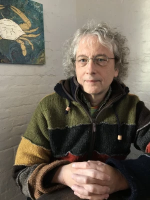
For the first time, a candidate running for Baltimore County Executive can use public money to help pay for their campaign.
Councilman Pat Young, who is running for the Democratic nomination in 2026, is banking on the matching public funds making him competitive against well-financed opponents.
Young said he’s been making the rounds, looking for votes and for small donors to fuel his campaign.
“Dundalk, Towson, North County, West Side and Southwest, and the response has been great,” Young said. “I think people want to know how public financing works.”
Here’s how it works.
You have to prove you are a viable candidate to get matching public funds. Young has to raise $50,000 from at least 550 county residents. He said he’s hit the $50,000 mark and is close to getting 550 contributors. No one can give him more than $250.
Also, Young can’t take money from organizations like PACS, labor unions or businesses.
“I think it’s a turning point for just the county in general in trying to get away from this reputation of pay to play, of folks can generally get things done in Baltimore County if they know the right people or they contributed to the right campaigns,” Young said. This is an opportunity for all of us to play a role in changing that narrative.”
The maximum amount of public money Young can get for the primary is $750,000. Young believes he could have been competitive without using public dollars.
But this is a primary contest awash in cash.
When Democratic Councilman Izzy Patoka announced his candidacy for executive in September, it came complete with a jazz band and free pizza and wine.
Young’s February announcement was simpler. Friends and family huddled under a tent with Young’s old school, Woodbridge Elementary, in the background.
In the most recent campaign finance reports released back in January, both Patoka and fellow candidate Councilman Julian Jones, a Democrat, had raised more than $1 million and they have been aggressively raising cash since then.
“The county is so spread out, it’s so wide and you’ve got to reach every part of it, south, west, north and east and in between,” said Roger Hartley, the dean of the College of Public Affairs at the University of Baltimore. “So the issue is you really need, especially in this day and age, a whole lot of money to get on TV, to get on radio, and to get ads out there everywhere that you can.”
A fourth Democratic candidate, attorney Nick Stewart, has the same fundraising team as Gov. Wes Moore. But Hartley adds Young doesn’t necessarily have to match his opponents’ campaign cash. He needs to raise enough to run a viable race.
The poster child for that in Maryland is Larry Hogan, who used public money in his successful run for governor in 2014.
Baltimore County Council candidates can also, for the first time, use public money. Mark Brewster, who is running in District 3, is trying to qualify.
“I’m running this race publicly financed because I want to be able to focus on the people, not taking 4, 5, $6,000 checks from big donors,” Brewster said.
Also running in the third, which includes Randallstown and Owings Mills, and also hoping to qualify for matching funds is Makeda Scott.
“It was something that I thought would create a level playing field for candidates such as myself who would be able to use grassroots means to fundraise,” Scott said.
Hartley said a council candidate need only spread around the $80,000 max in matching funds in a compact council district.
“Public financing of a campaign plus good old fashioned knocking on doors can get you a long way,” Hartley said.
Baltimore County voters approved the Fair Election Fund in 2020 despite concerns that it was a giveaway of taxpayers’ money. County Press Secretary Dakarai Turner says there is about $2.7 million in the fund.